
Nonfiction by Paul Rabinowitz
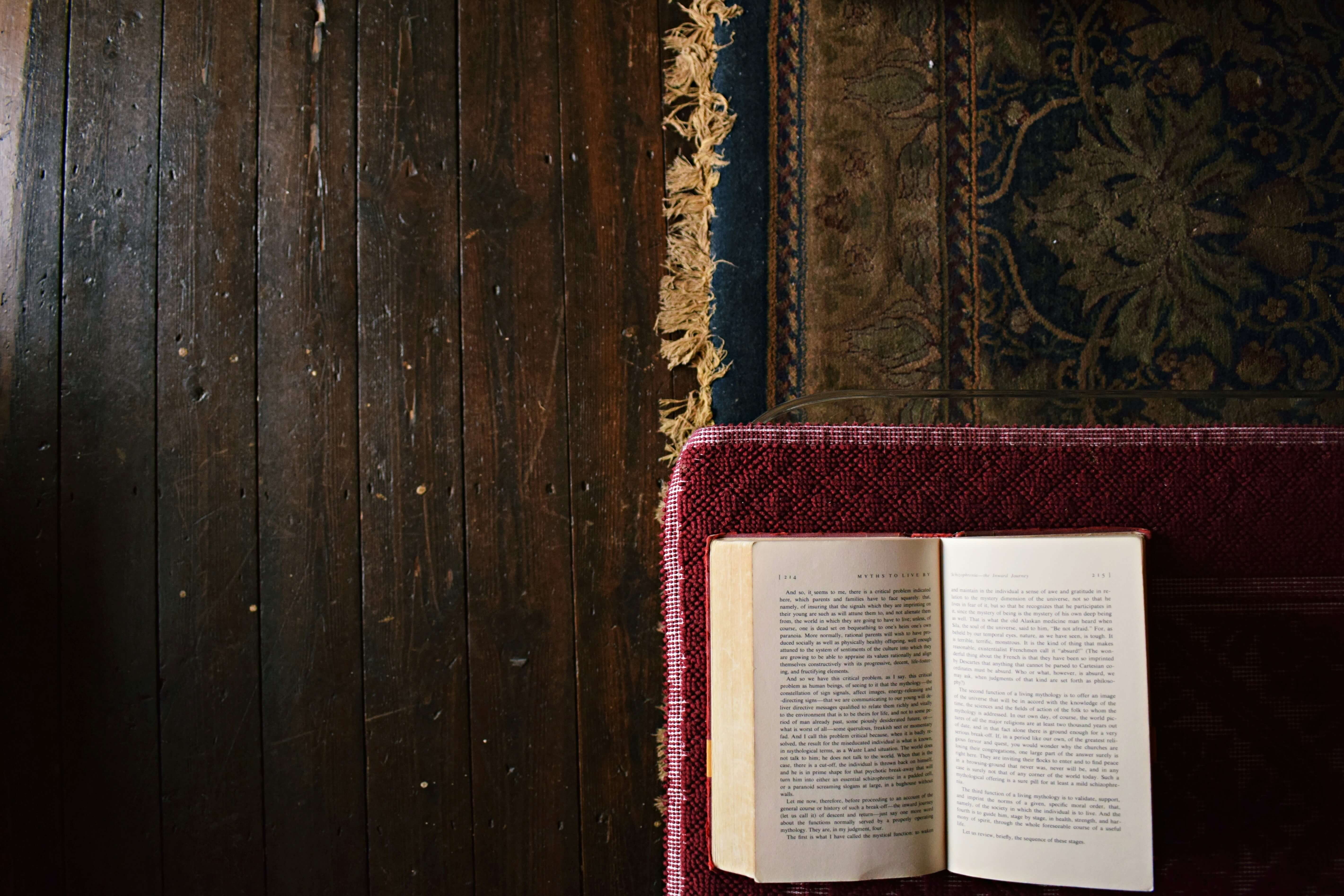
Ten years ago, she handed me her only copy. So many pages earmarked with notes scribbled over the edges, even a smudge of chocolate across the cover, as if she couldn’t put it down for just a second to wipe her fingers, dripping from a melted chocolate bar as she rode the subway to her apartment, somewhere in South Brooklyn. I remember her fingers, how she shared her thoughts and I open it now, it opens for me, the pages gently fall where they want to fall, and I turn on the kettle for my morning coffee and open this book I never returned to her ten years ago, reading each sentence aloud in the limited light of late autumn before the cold, damp days of winter settled in. I remember once again how I felt when she first placed the book in my wanting hands and told me to savor it.
Savor it.
I remember the look on her face when she said it. I imagine Hemingway’s mistress, her beautiful face tanned after her morning swim in the Mediterranean, emerging to walk, still wet, up the rocky coast and then move across the bedroom floor, surely as if it were her own, with the sharp fragrance of summer. When I received the book from her, I remember looking down at the contour of her feet. She kicked off her sandals and planted them on the black linoleum floor of the train. I wondered to myself, how the beautiful one’s feet must have looked to Hemingway, as he conjured the story while it pressed through his fingers and through that old Royal typewriter. The knowledge of it pouring from him into the metal keys to create the image of his mistress while he inhaled the aroma of both the male and female parts. The descriptions formed in his mouth like the floral spices of chocolate and I think of how he felt, as people pointed to his finished work and asked, was it fiction, and leaned closer, hungry for his answer, and he could feel them wanting some knowledge from him, but what isn’t fiction?
I want to answer for him, and I think of him in that awful moment, his writing under a microscope. I think of a droplet of salt water landing on Hemingway’s bare shoulder as his wife, curled up with the morning paper, pretended not to care while she glanced across the room at the beautiful one’s sun baked feet on the terracotta floor leaning over him. The disparate parts of the author’s heart melted, in that moment, into a single mass as he looked up from the keys of the typewriter and stared into his own story. The mirror reflected his wife’s eyes, as they seemed to smile in coy approval of what was about to happen, and he thought how she knew him, marveled at how his wife had come to know him, how anyone could know another person that well. It was almost a violation.
I inhale the sweet aroma of my roasted coffee and turn the page, wondering what he saw in his reflection while he typed, as the beautiful one grabbed the papers from his desk, as a gull flew gracefully past the French doors, locked its sight on a defenseless pigeon, while they all looked away from themselves, beyond the doors, to a fleet of fishing boats moored to one another somewhere on the eternal sea, rocking like the mouths and bodies of lovers fully in the moment, knowing when it’s over they’ll drift…
I’m more sure than ever now I understand what Hemingway felt while contemplating his last revision of The Garden of Eden, an action so paramount and final as he sat alone drinking in a room in the last days of autumn, hunched over his typewriter in a stupor, staring at his swollen fingers, searching the frayed parts of his damaged brain, trying to remember if there was anything he was supposed to do that day, like taking the trash out or fixing the front gate he broke while stumbling home after another late night at the bar, shattering small splinters of pine, like the trees lining his backyard when he played alone after school, contemplating why the big sturdy trees remain green all year round, never losing their stature or beauty as they reached up to the sky. He looked down at his Royal typewriter and landed his swollen fingers on the keys for the last time, desperately trying to remember how to spell the word hunger.
What he felt was the same hunger I long for. The memory from a decade ago when she first handed it to me.
I finish the book, then sit down at my desk and recall how the ligaments in her feet moved as she spoke about his prose. The contrast of her skin, her feet, against the black tiles of our subway car. How she came alive trying to describe how he wanted to write the truth about his desires, but the sea was dark and unforgiving back then, and she ignored her stop, licked her fingers, and rode with me to the very end.
I hold the book in my hands, my coffee cold. I remember.
Paul Rabinowitz is an author, poet, photographer and founder of ARTS By The People. For more visit: paulrabinowitz.com
 Arcturus